A Slack-native AI diagramming app that turns plain-language messages into Mermaid diagrams, posts interactive HTML and PNG artifacts, and keeps them current as the thread evolves. Every edit becomes a version, every decision stays traceable to the source conversation, and an MCP server lets Slack AI create, edit, explain, and branch diagrams without leaving Slack.
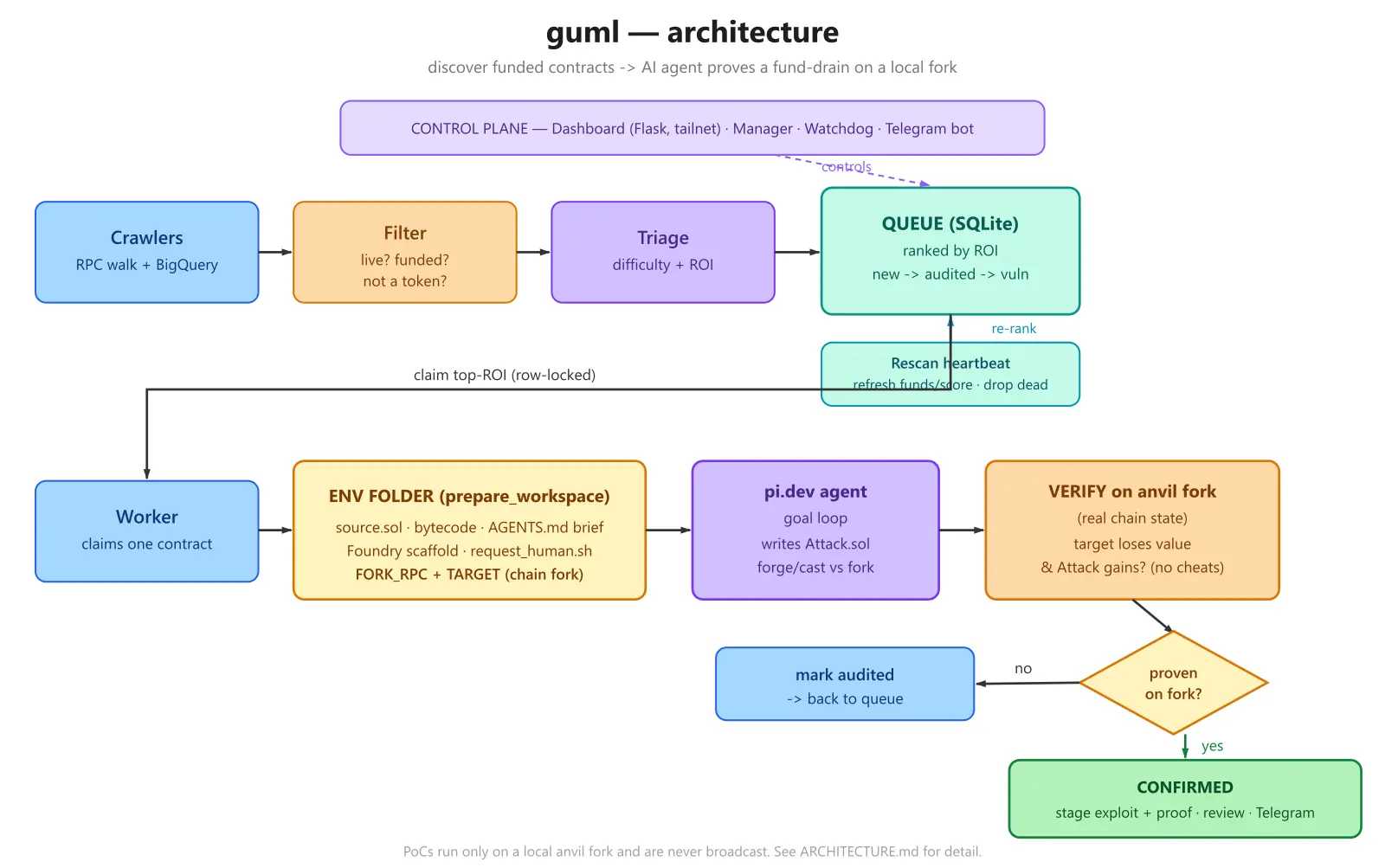
An autonomous pipeline that hunts for exploitable smart contracts on Ethereum and BSC. Crawlers surface funded, dev-made contracts into an ROI-ranked SQLite queue; a bytecode-level triage scores each by how crackable it is; then a pi.dev coding agent is dropped into an isolated workspace with the verified source, a Foundry scaffold, and a live chain fork, and must PROVE a fund-drain by writing an exploit that passes on a local anvil fork — never broadcast. A Flask control plane drives the crawlers, parallel audit agents, model health checks, and live transcript watching.
An Android messaging client that looks and feels exactly like Telegram, but runs entirely on the Signal protocol underneath. Telegram's Android UI is stripped of its MTProto/TDLib backend and rewired through a bridge layer to Signal's end-to-end encrypted stack — libsignal, signal-service-java, RingRTC, and SQLCipher.
A turn-based card battle game with a dark casino aesthetic. Players duel with Marvel-inspired hero cards, spending mana to build a board, attack enemy cards, and reduce the opposing avatar to 0 HP. Features a WebGPU-rendered 3D casino board, multiplayer via Socket.IO, MySQL-backed persistence, and a local scripted AI opponent.
Game DevelopmentWebGPUWGSLSocket.IONode.jsMySQLJavaScriptMultiplayer
A reproducible, open-weight OCR pipeline for Ukrainian handwritten documents, built for AI HOUSE's Kaggle "Handwritten to Data" competition. A YOLO v6 typed detector cuts each page into regions, Qwen2.5-VL-7B-Instruct (with type-specific LoRA specialists) reads the handwriting, and a CSV builder reconstructs valid submissions. Reached ~84% region-level and ~79% page-level character accuracy on internal validation, running inference on a single NVIDIA H100 80GB GPU.
OCRMachine LearningQwen-VLLoRAYOLOKaggleUkrainian ML
Self-contained command-line tool that converts PDFs and images to structured Markdown using a local GLM-OCR model through Ollama. Manages the full pipeline automatically — Ollama lifecycle, model pulling, PDF rendering, layout detection via PP-DocLayoutV3, and result merging. Dual distribution through npm and pip with 50+ configurable options.
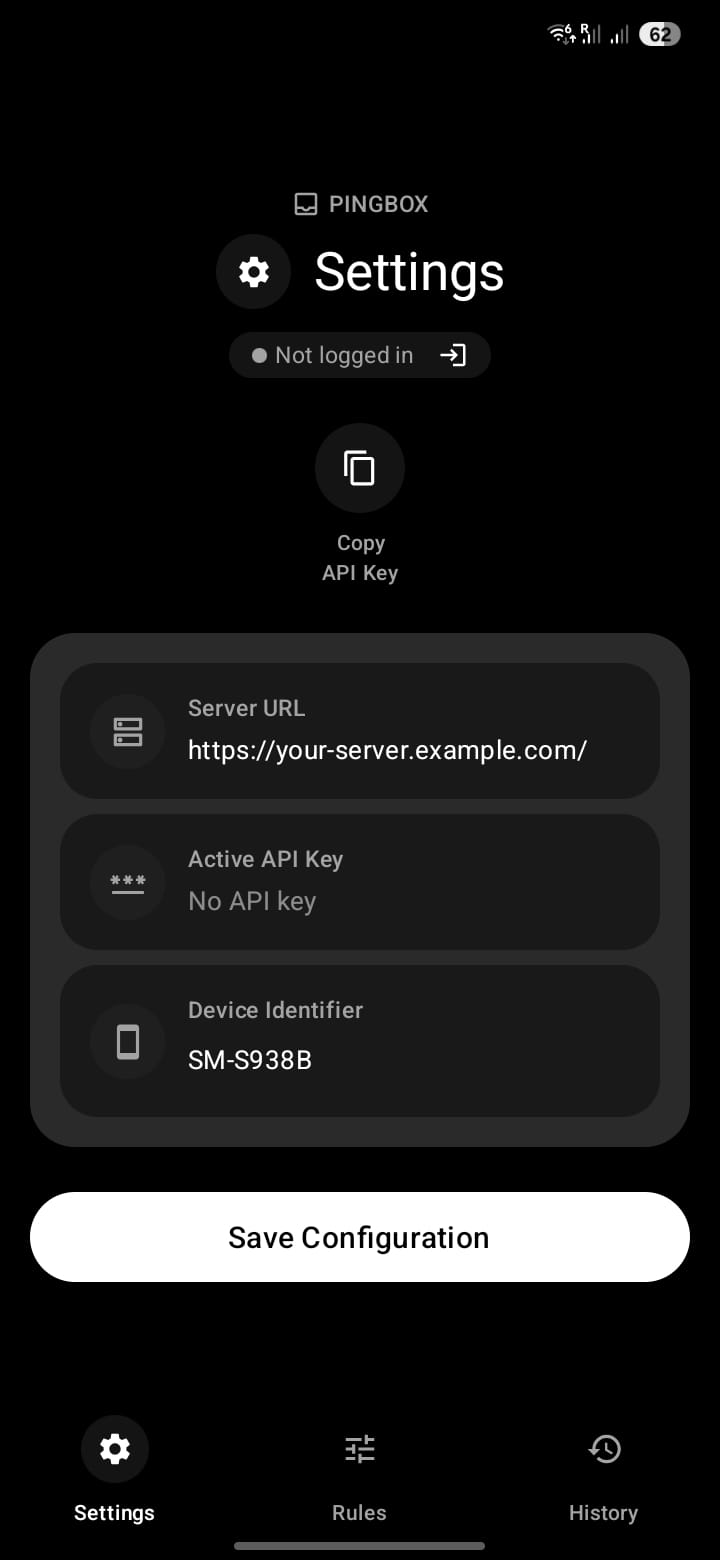
End-to-end notification system — external services POST to a FastAPI backend, which dispatches push notifications via FCM to an Android client. A local rule engine on the device routes taps directly to the target app, URL, deep-link, or activity, bypassing the PingBox UI entirely. Backend runs on Docker Compose with PostgreSQL, Redis rate limiting, and JWT + API key auth.
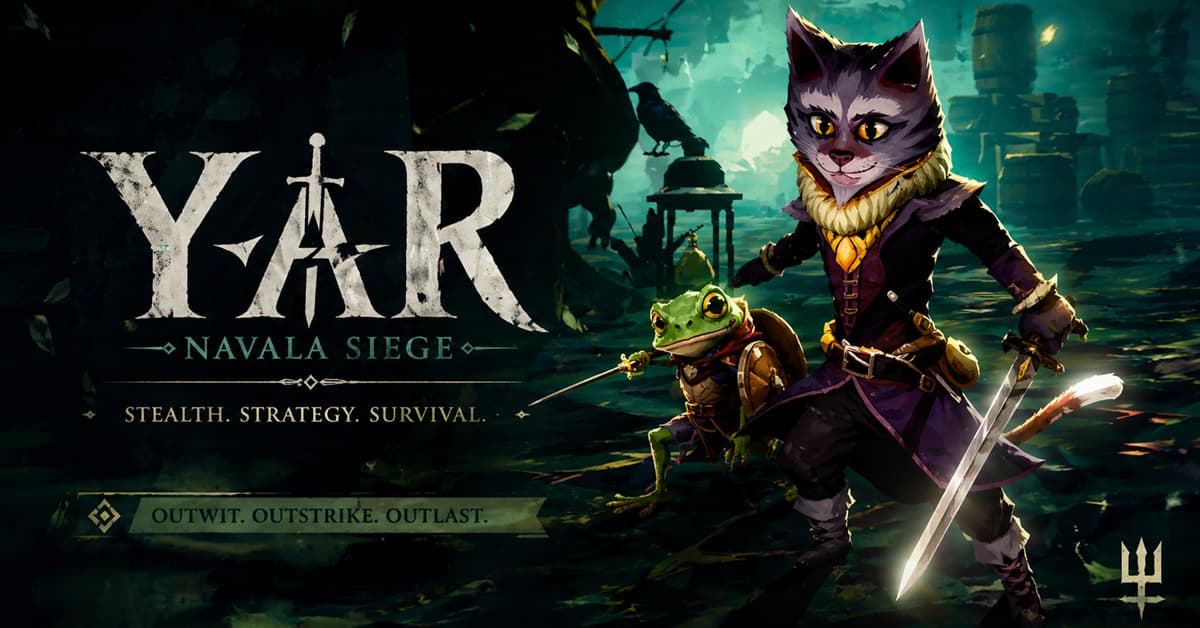
Stealth. Strategy. Survival. A cat, a frog, a cannon, and one desperate siege against the night. A web-based 3D third-person action RPG built with Three.js and Rapier physics. Generated ~95%+ with AI.
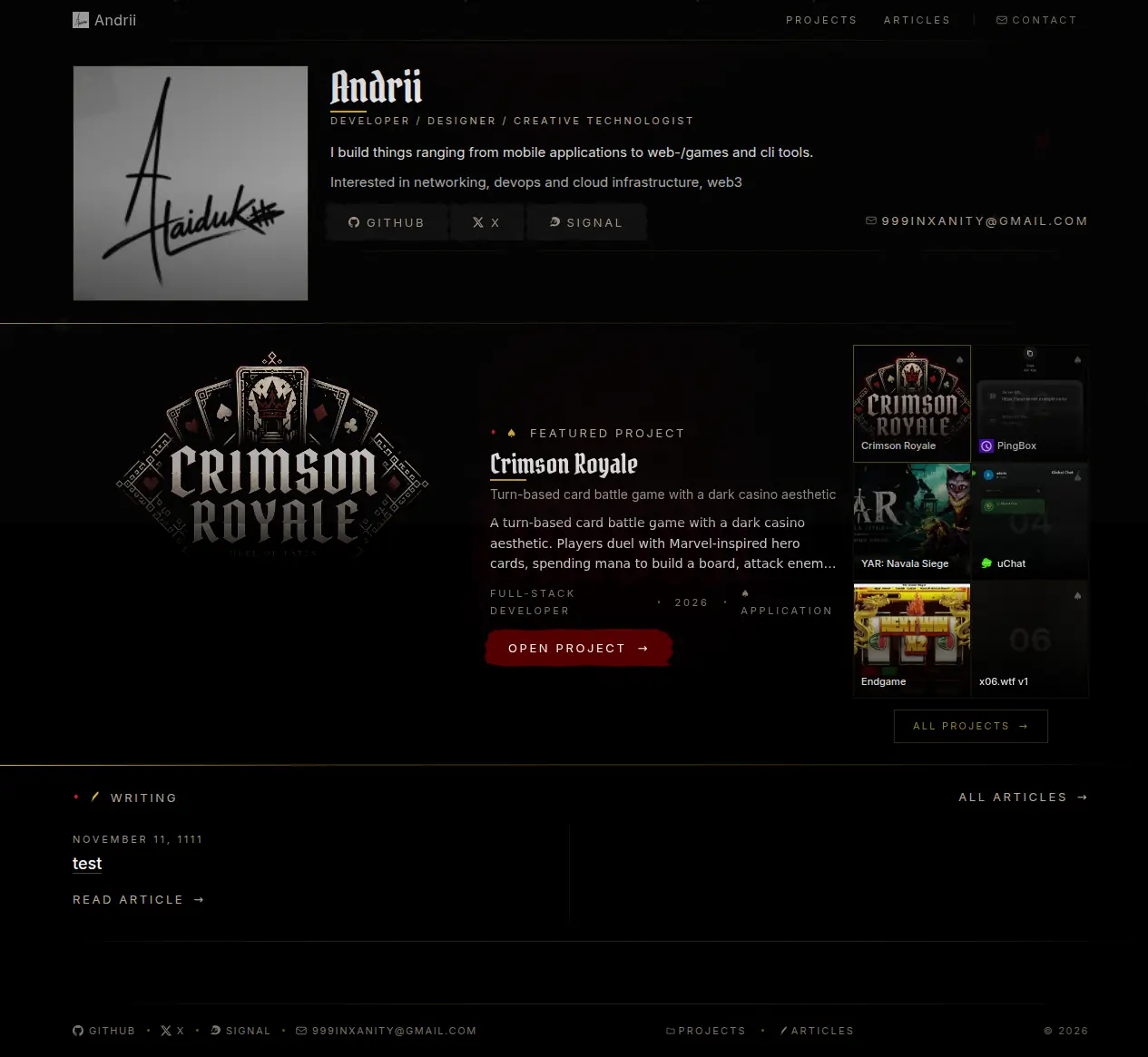
The second iteration of x06.wtf — a dark-themed personal portfolio with a cinematic playing-card aesthetic. Uses Keystatic CMS for content management, features a featured project gallery, floating card decorations, GitHub contribution heatmap, and a noir-inspired visual identity.
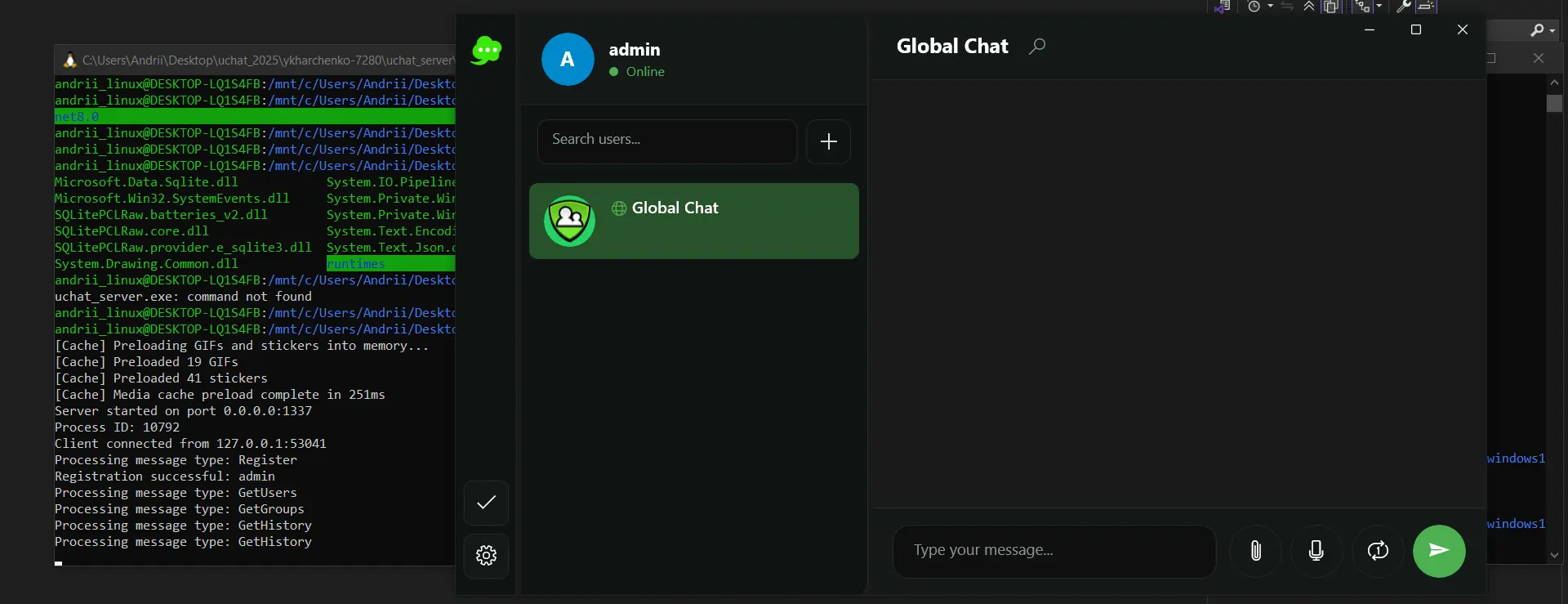
Full-stack messaging app with a concurrent .NET 8 server, SQLite persistence, and a UWP client sporting a translucent Windows 7-era glass aesthetic. Handles multi-client broadcasting, SHA256 auth, message CRUD, and auto-reconnect over raw sockets. Built as a 5-person team for a university systems programming course.
The first iteration of x06.wtf — a content feed site powered by Sanity CMS (headless CRM) and Next.js 16. Features tab-routed content (Home, Takes, Saved, YouTube, Music), bilingual UI (English/Ukrainian), YouTube Picture-in- Picture, image lightbox gallery, masonry grid, server-rendered Sanity queries with cursor-based pagination, and serverless API routes for link previews and Sanity webhook revalidation.
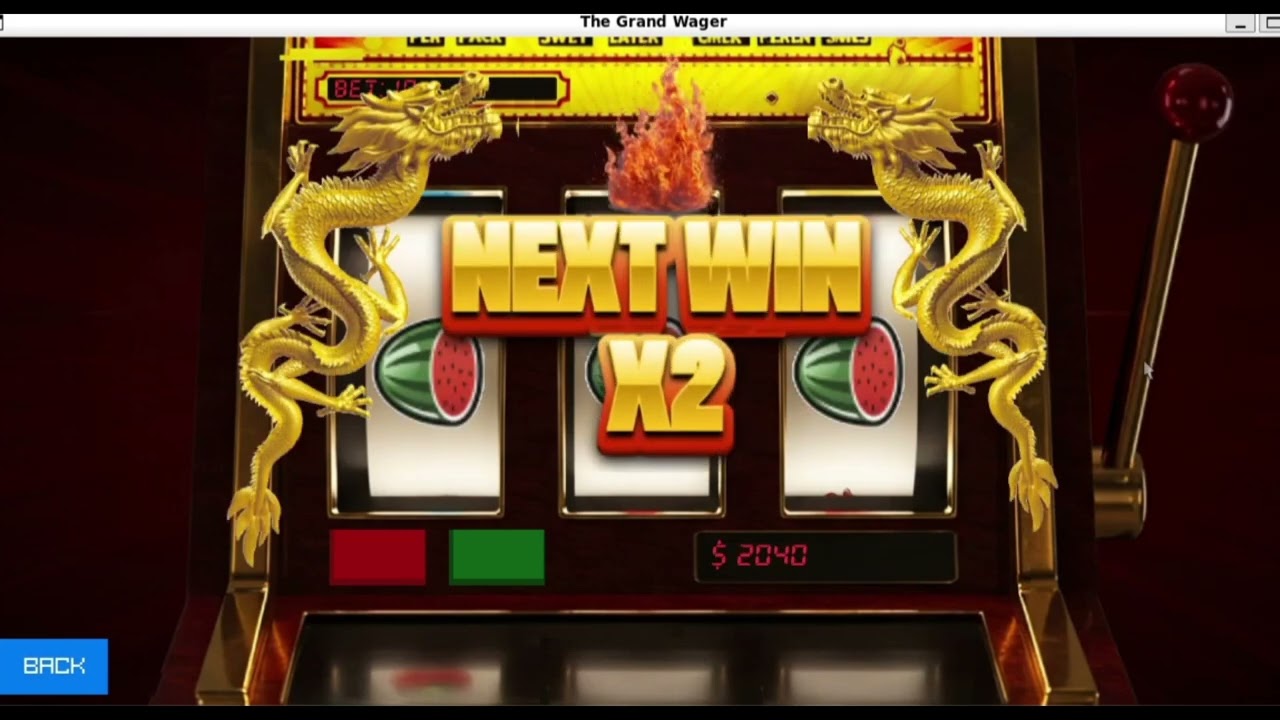
A virtual casino where the player starts with $1,000 and plays through four mini-games — crash betting, minesweeper, horse racing, and slots — trying to reach $1,000,000. State-machine architecture drives the game loop, with dynamic probability systems and graphical UI rendered through Raylib.